
To gain a pound, you must eat 3,500 calories in excess of what you burn. By adding 250 to 500 calories per day you can increase your weight by 1/2 to 1 pound in a week.
 Large servings of unhealthy foods, such as sugar, ice cream, chips and snack mixes, do little to contribute to healthy weight gain. Gorging on these foods, even for a week, encourages you to develop poor eating habits that can lead to metabolic disturbances and chronic disease no matter your body size. Use your home kitchen to craft healthy meals and snacks, rather than relying on processed foods grabbed from your pantry.

Make sure you drink plenty of water. Water will help your body process the extra protein and calories you’re taking in. Drink several glasses with every meal to avoid getting dehydrated. Since you’re probably also going to be exercising more to gain mass, aim to drink 10 glasses of water every day.

Consult your physician
Eat more than three meals a day. If you naturally have a really fast metabolism, eating three meals a day, no matter what’s in them, isn’t going to help you bulk up.[1]Your body burns calories fast, so you need to feed it more than it can use up right away. That means eating not just when you’re hungry, but throughout the day. Aim to eat five meals a day to gain weight.
- Don’t wait until your stomach starts to growl to eat. Plan out five meals so you never have time to get hungry.
- Eating this much can take a lot of effort, since you need to stock up on enough food to feed yourself more often. Pack calorie-rich snacks you can eat on the go, like bananas and peanut butter or dense granola bars.
Add Extra Calories to Meals
Boost your calorie intake at every homemade meal. Increase portion sizes, but if you have a light appetite, add calories to the food you do eat. Sprinkle nuts over your morning cereal; toss avocado in salads and spread into sandwiches; stir pasta with olive oil before adding sauce; and choose starchy, rather than leafy, vegetables, as side dishes. An ounce of nuts adds 167 calories, a tablespoon of olive oil, 124 calories, and a cup of avocado cubes, 240 calories.
Increase Your Protein Intake
You should include more portions of healthy foods in your diet. Adding an avocado in your salad gives you 332 more calories. Similarly, you can add more of butter or peanut butter in your bread, paneer as salad dressing and nuts in your dessert. Be imaginative in including health foods in your diet.
Make sure you drink plenty of water. Water will help your body process the extra protein and calories you’re taking in. Drink several glasses with every meal to avoid getting dehydrated. Since you’re probably also going to be exercising more to gain mass, aim to drink 10 glasses of water every day.
- You can also drink unsweetened tea, fruit juice, and other healthy beverages.
- Avoid drinking Gatorade and other sports drinks in excessive amounts, since they contain a lot of sugar.
Exercise:
This might be unexpected for some but the extra calories that you consume must be digested too. Otherwise, you will only land up with indigestion or building up fat in your body. Resistance training or lifting weights is better suited for weight gain as compared to cardio. They help to convert the fat into muscles. Such an exercise regimen is important for improved overall health and gain weight naturally. Lifting and weight training help your body gain muscle weight, which is the best kind of weight for your body to put on. Start off slowly if you aren't used to doing this kind of training. Increase weight and decrease reps as you go along. However, make sure to get ample protein from your diet. This will help build muscle.
Focus on protein, fats and carbohydrates. These are the three staples that will help you gain weight, and you need plenty of each of them to stay healthy. Focus on incorporating protein, fats and carbohydrates into every meal you eat so your diet stays balanced. Here are some examples of good choices in each category:
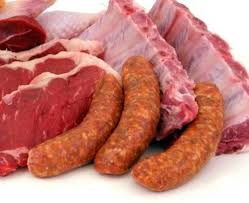
- Proteins: eggs, salmon, tuna, and other fish; pork roast, pork chops, and ham; chicken breasts and thighs; lean beef burgers and steaks.
- Fats: olive oil, safflower oil, coconut oil, and grapeseed oil; avocados, walnuts, almonds, flaxseeds.
- Carbohydrates: fruits and vegetables; beans, lentils, peas; brown rice, whole grain bread, whole grain pasta and other whole grain products; honey and fruit juice.
Consult your physician
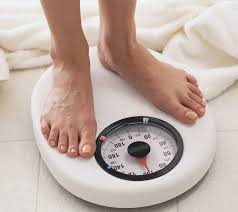
Contact your physician to discuss your concerns with your weight and your problems regarding gaining weight. If you have failed several time while trying to gain weight your physician may also be able to help isolate the possible underlying medical cause with the help of some tests and exams.
Consult a dietitian
If you are struggling to consume enough food to gain weight, you should contact your dietician to get better solution to gain weight through some another healthy diet. The dietitian can suggest you ways to increase your caloric intake with healthy, calorie-dense foods.
Resources:
1.http://www.onlymyhealth.com/how-put-weight-naturally-1312262757
2/.http://www.wikihow.com/Gain-Weight-Fast-(for-Men)
No comments:
Write commentsThanks for comment...